
Canadian Inflation (August 2025)
Canadian prices, as measured by the Consumer Price Index (CPI), rose 1.9 per cent on a year-over-year basis in August, up from a 1.7 per cent increase in July. Month-over-month, on a seasonally adjusted basis, the CPI was up 0.2 per cent in August. The CPI ex-gasoline increased by 2.4 per cent in August after holding at 2.5 per cent during each of the previous three months. Additionally, shelter price growth was 2.6 per cent in August, the smallest year-over-year increase since March 2021, and down from 3.0 per cent in July. Food price growth registered at 3.4 per cent year-over-year, marginally higher than the previous month. In BC, consumer prices rose 1.8 per cent year-over-year in August, up from 1.7 per cent in July. The Bank of Canada's preferred measures of median and trimmed inflation, which strip out volatile components, remained at 3.1 per cent and 3.0 per cent year-over-year, respectively.
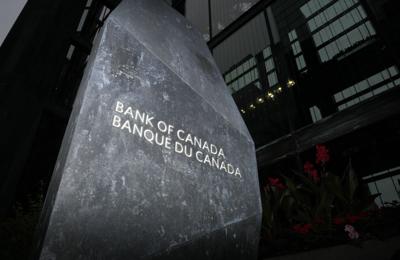
While the Bank of Canada's core measures of inflation have remained at the upper end—and even outside of—their target range, 3-month annualized core inflation has stabilized around 2.5 per cent. Coupled with weaker-than-expected second-quarter growth, this report is unlikely to sway the Bank of Canada away from a likely rate cut tomorrow in hopes of stimulating the economy heading into the final quarter of the year.
While the Bank of Canada's core measures of inflation have remained at the upper end—and even outside of—their target range, 3-month annualized core inflation has stabilized around 2.5 per cent. Coupled with weaker-than-expected second-quarter growth, this report is unlikely to sway the Bank of Canada away from a likely rate cut tomorrow in hopes of stimulating the economy heading into the final quarter of the year.


Categories
Recent Posts

Canadian Retail Sales Increase 0.8% in September 2026: What Does Consumer Spending Tell Us About British Columbia's Economy?

Canadian Housing Starts Fall 2.2% in October 2026: How Is British Columbia's Residential Construction Market Performing?

Canadian Inflation Holds Steady at 3.1% in October 2026: What It Means for British Columbia's Housing Market

BC Real Estate Market Update: Sales Activity Remains Divergent Across the Province

BC Housing Market Forecast: Home Sales Expected to Rebound in 2027 Despite Economic Challenges

Canada’s Labour Market Weakens as October Job Losses Raise Questions About Further Rate Hikes

Victoria Real Estate Market Update – October 2026: A Balanced Market Offers Buyers More Choice

BC Economic Growth Remains Above 2% in August 2026

Canadian Economic Growth Stalls in August as September GDP Declines
Bank of Canada Raises Interest Rates to 2.5%: What It Means for the Canadian Real Estate Market
CONTACT FLORENCIO BELOW TO GET MORE INFO: