
Canadian Inflation (November 2025)
Canadian prices, as measured by the Consumer Price Index (CPI), rose 2.2 per cent on a year-over-year basis in November, matching the increase in October. On a seasonally adjusted monthly basis, the CPI was up 0.2 per cent in November, equivalent to a 2.9 per cent increase on an annualized basis. The CPI ex-gasoline increased by 2.6 per cent in November, matching the previous two months. Additionally, food prices increased by 4.7 per cent year-over-year, the largest monthly increase in nearly two years. In BC, consumer prices rose 2.0 per cent year-over-year in November, matching the increase in October. The Bank of Canada's preferred measures of median and trimmed inflation, which strip out volatile components, both fell to 2.8 per cent year-over-year, respectively.
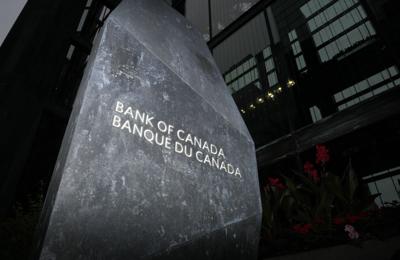
Much of the downward pressure in November’s CPI print was driven by lower year-over-year prices for services, counteracted by smaller declines in gasoline prices and accelerating grocery prices among other goods-producing aggregates. Nonetheless, 3-month annualized core inflation cooled to about 2.3 per cent, while remaining near the Bank of Canada’s upper threshold year-over-year. Looking ahead, the Bank’s weak economic outlook and guidance suggests a relatively neutral 2026 concerning rate adjustments as they monitor Canada’s economic performance in the final quarter of the year.
Much of the downward pressure in November’s CPI print was driven by lower year-over-year prices for services, counteracted by smaller declines in gasoline prices and accelerating grocery prices among other goods-producing aggregates. Nonetheless, 3-month annualized core inflation cooled to about 2.3 per cent, while remaining near the Bank of Canada’s upper threshold year-over-year. Looking ahead, the Bank’s weak economic outlook and guidance suggests a relatively neutral 2026 concerning rate adjustments as they monitor Canada’s economic performance in the final quarter of the year.


Categories
Recent Posts

Canadian Retail Sales Increase 0.8% in September 2026: What Does Consumer Spending Tell Us About British Columbia's Economy?

Canadian Housing Starts Fall 2.2% in October 2026: How Is British Columbia's Residential Construction Market Performing?

Canadian Inflation Holds Steady at 3.1% in October 2026: What It Means for British Columbia's Housing Market

BC Real Estate Market Update: Sales Activity Remains Divergent Across the Province

BC Housing Market Forecast: Home Sales Expected to Rebound in 2027 Despite Economic Challenges

Canada’s Labour Market Weakens as October Job Losses Raise Questions About Further Rate Hikes

Victoria Real Estate Market Update – October 2026: A Balanced Market Offers Buyers More Choice

BC Economic Growth Remains Above 2% in August 2026

Canadian Economic Growth Stalls in August as September GDP Declines
Bank of Canada Raises Interest Rates to 2.5%: What It Means for the Canadian Real Estate Market
CONTACT FLORENCIO BELOW TO GET MORE INFO: