
Canadian Inflation (September 2025)
Canadian prices, as measured by the Consumer Price Index (CPI), rose 2.4 per cent on a year-over-year basis in September, up from a 1.9 per cent increase in August. On a seasonally adjusted monthly basis, the CPI was up 0.4 per cent in September. The CPI ex-gasoline increased by 2.6 per cent in September after rising 2.4 per cent in August. Additionally, shelter price growth remained at 2.6 per cent in September, while food price growth rose by 3.8 per cent year-over-year, 0.4 points higher than the previous month. In BC, consumer prices rose 1.9 per cent year-over-year in September, up from 1.8 per cent in August. The Bank of Canada's preferred measures of median and trimmed inflation, which strip out volatile components, were 3.2 per cent and 3.1 per cent year-over-year, respectively.
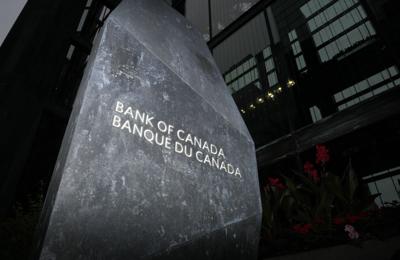
September’s CPI report certainly complicates the Bank of Canada’s upcoming decision, with headline and core inflation ticking upward. While base-year effects explain some of the upward price pressures, acceleration in certain aggregates such as food prices will certainly concern the Bank. Nonetheless, the Bank has emphasized that underlying inflation—while higher than preferred—remains stable at around 2.5 per cent, which, coupled with weak economic conditions, suggests a rate cut is on the horizon before year-close.
September’s CPI report certainly complicates the Bank of Canada’s upcoming decision, with headline and core inflation ticking upward. While base-year effects explain some of the upward price pressures, acceleration in certain aggregates such as food prices will certainly concern the Bank. Nonetheless, the Bank has emphasized that underlying inflation—while higher than preferred—remains stable at around 2.5 per cent, which, coupled with weak economic conditions, suggests a rate cut is on the horizon before year-close.


Categories
Recent Posts

Canadian Retail Sales Increase 0.8% in September 2026: What Does Consumer Spending Tell Us About British Columbia's Economy?

Canadian Housing Starts Fall 2.2% in October 2026: How Is British Columbia's Residential Construction Market Performing?

Canadian Inflation Holds Steady at 3.1% in October 2026: What It Means for British Columbia's Housing Market

BC Real Estate Market Update: Sales Activity Remains Divergent Across the Province

BC Housing Market Forecast: Home Sales Expected to Rebound in 2027 Despite Economic Challenges

Canada’s Labour Market Weakens as October Job Losses Raise Questions About Further Rate Hikes

Victoria Real Estate Market Update – October 2026: A Balanced Market Offers Buyers More Choice

BC Economic Growth Remains Above 2% in August 2026

Canadian Economic Growth Stalls in August as September GDP Declines
Bank of Canada Raises Interest Rates to 2.5%: What It Means for the Canadian Real Estate Market
CONTACT FLORENCIO BELOW TO GET MORE INFO: