
Canadian Inflation Holds Steady at 3.1% in October 2026: What It Means for British Columbia's Housing Market
Canada's inflation rate remained unchanged in October, offering a mixed picture for households, homeowners, prospective buyers, and the broader real estate market. While the cost of living continues to rise, underlying inflation pressures appear to be moderating, potentially influencing the Bank of Canada's future interest rate decisions.
According to the latest Consumer Price Index (CPI) data released by Statistics Canada on November 16, 2026, Canada's annual inflation rate held steady at 3.1% in October, matching September's increase. On a seasonally adjusted monthly basis, consumer prices increased by 0.2%.
In British Columbia, however, inflation remained noticeably lower, with consumer prices rising by 2.5% year-over-year and declining 0.1% compared with September.
For anyone considering buying, selling, or investing in real estate, these developments are worth watching, particularly as inflation, borrowing costs, and housing affordability continue to shape the Canadian housing market.
Canada's Inflation Rate Remains at 3.1%
The Consumer Price Index measures changes in the prices Canadians pay for goods and services over time. It is one of the Bank of Canada's primary indicators when assessing inflation and determining monetary policy.
In October, Canada's headline inflation remained at 3.1%, unchanged from the previous month. Excluding gasoline, inflation also remained steady at 2.2%.
Although headline inflation remains above the Bank of Canada's 2% target, underlying inflation indicators suggest that broader price pressures are becoming more manageable.
The Bank of Canada's preferred measures of core inflation showed:
-
CPI-median: Increased by 2.0% year-over-year, unchanged from September.
-
CPI-trim: Increased by 1.8% year-over-year, edging lower from September.
These measures exclude certain volatile price movements to provide a clearer picture of underlying inflation trends.
The distinction is important because headline inflation can fluctuate significantly due to changes in energy prices, while core inflation provides a better indication of whether inflationary pressures are becoming persistent.
British Columbia Inflation Remains Below the National Average
British Columbia recorded annual inflation of 2.5% in October, compared with Canada's national rate of 3.1%.

The difference suggests that consumer price growth in British Columbia has been relatively more moderate than the national average.
However, inflation does not affect every household equally. The cost of housing, transportation, groceries, and other essential expenses can vary considerably depending on where people live and their individual financial circumstances.
For homeowners and prospective buyers, these differences matter because household expenses influence how much income is available for mortgage payments, savings, and other financial commitments.
What Is Driving Inflation in British Columbia?
Looking at the individual components of British Columbia's Consumer Price Index provides a better understanding of where prices are increasing and where inflationary pressures are easing.

Several categories experienced notable changes in October.
Gasoline and Transportation
Gasoline prices recorded the largest increase among the categories shown, rising 27.8% year-over-year in October, compared with 23.1% in September.
Transportation costs also increased, reaching 6.8% compared with 6.2% the previous month.
Higher energy and transportation expenses can affect household budgets directly, while also influencing the operating and transportation costs of businesses.
Shelter Costs
Shelter inflation in British Columbia slowed considerably, with prices increasing by just 0.7% year-over-year in October, down from 2.1% in September.
Nationally, shelter costs increased by 1.4% compared with October 2025, as growth in rent and mortgage interest costs continued to ease.
This is an important development for the housing market. Shelter costs represent a significant portion of household spending, and slower growth may provide some relief to renters and homeowners.
However, slower inflation does not necessarily mean housing has become less expensive. It means prices are increasing at a slower rate, rather than necessarily declining.
Food and Groceries
Food prices increased by 2.4% year-over-year in October, slightly higher than September's 2.3%.
National grocery price growth also continued to normalize, although it accelerated by 0.3 percentage points compared with the previous month, reaching 2.0%.
Other Consumer Categories
Other notable changes in British Columbia included:
-
Recreation, education and reading: Increased 5.8%, compared with 5.7% in September.
-
Health and personal care: Increased 2.7%, down from 3.1%.
-
Clothing and footwear: Increased 1.0%, compared with a 0.7% decline in September.
-
Household furnishings: Increased 0.9%, down from 1.9%.
-
Alcohol, tobacco and cannabis: Declined 1.0%, compared with a 0.3% increase in September.
Overall, the October figures show that inflation is not moving uniformly across the economy. Some categories are experiencing renewed price pressures, while others are showing signs of moderation.
What Does This Mean for the Bank of Canada's Interest Rate Decisions?
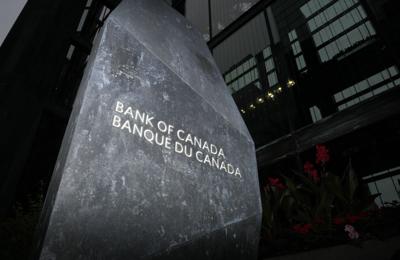
One of the most important implications of the October inflation report is its potential effect on the Bank of Canada's monetary policy.
The Bank of Canada uses its policy interest rate to influence borrowing costs, consumer spending, investment, and overall economic activity.
When inflation remains elevated, the Bank may increase interest rates to help slow demand and bring inflation closer to its 2% target. Conversely, when inflation moderates and economic conditions weaken, the Bank may have more flexibility to maintain or eventually reduce interest rates.
October's inflation figures suggest that another interest rate increase in December is becoming less likely.
Core inflation remains relatively close to the Bank's target, while the average of the three-month core inflation measures edged slightly lower compared with September. At the same time, continued weakness in the labour market adds another consideration for policymakers.
However, this does not necessarily mean borrowing costs will decline significantly.
Longer-term Canadian bond yields can also be influenced by developments in the United States, including expectations for Federal Reserve policy and movements in US Treasury yields. Consequently, Canadian mortgage rates may not move in perfect alignment with the Bank of Canada's overnight policy rate.
What Does This Mean for Homebuyers and Homeowners?
For prospective homebuyers, the October inflation report provides some encouraging signs, particularly regarding the direction of underlying inflation and the possibility of fewer interest rate increases.
However, purchasing a property involves more than simply watching the Bank of Canada's next announcement.
Mortgage rates, household income, employment stability, housing supply, property prices, and individual financial circumstances all play important roles in determining affordability.
For homeowners with variable-rate mortgages, the Bank of Canada's policy decisions remain particularly relevant because changes to the overnight rate can influence borrowing costs.
For buyers considering fixed-rate mortgages, Canadian bond yields are another important indicator to monitor.
Meanwhile, homeowners considering selling should remember that housing market conditions are influenced by a combination of interest rates, buyer confidence, inventory levels, and local market demand.
In British Columbia, the slowdown in shelter inflation is worth monitoring, but it should not be interpreted as a direct indication that residential property values are declining.
Looking Ahead: Inflation, Interest Rates and the Housing Market
October's inflation report presents a more balanced picture of the Canadian economy.
Although headline inflation remains at 3.1%, underlying inflation measures are relatively close to the Bank of Canada's target. British Columbia's annual inflation rate of 2.5% is also below the national average.
The combination of moderating core inflation and continued labour market weakness could reduce the likelihood of additional monetary tightening in the near term.
Nevertheless, uncertainty surrounding energy prices, US monetary policy, and longer-term bond yields means borrowing costs may remain elevated even if the Bank of Canada becomes less hawkish.
For buyers, sellers, and homeowners, the key takeaway is to look beyond the headline inflation number. Understanding how inflation affects mortgage rates, housing expenses, household purchasing power, and consumer confidence can provide a more complete picture of the real estate market.
As we move toward the end of 2026, inflation and interest rate developments will remain important indicators to watch when making informed real estate and financial decisions.
Source: Statistics Canada – Consumer Price Index, October 2026 (released November 16, 2026).
About Florencio Mende Jr. – REALTOR®
Whether you are considering buying your first home, selling your current property, or exploring real estate investment opportunities, understanding the economic factors shaping the housing market can help you make more informed decisions. Stay informed with the latest real estate insights, market developments, and housing trends.
Categories
Recent Posts




CONTACT FLORENCIO BELOW TO GET MORE INFO: