
Canadian Inflation (November 2025)
Canadian prices, as measured by the Consumer Price Index (CPI), rose 2.2 per cent on a year-over-year basis in November, matching the increase in October. On a seasonally adjusted monthly basis, the CPI was up 0.2 per cent in November, equivalent to a 2.9 per cent increase on an annualized basis. The CPI ex-gasoline increased by 2.6 per cent in November, matching the previous two months. Additionally, food prices increased by 4.7 per cent year-over-year, the largest monthly increase in nearly two years. In BC, consumer prices rose 2.0 per cent year-over-year in November, matching the increase in October. The Bank of Canada's preferred measures of median and trimmed inflation, which strip out volatile components, both fell to 2.8 per cent year-over-year, respectively.
Much of the downward pressure in November’s CPI print was driven by lower year-over-year prices for services, counteracted by smaller declines in gasoline prices and accelerating grocery prices among other goods-producing aggregates. Nonetheless, 3-month annualized core inflation cooled to about 2.3 per cent, while remaining near the Bank of Canada’s upper threshold year-over-year. Looking ahead, the Bank’s weak economic outlook and guidance suggests a relatively neutral 2026 concerning rate adjustments as they monitor Canada’s economic performance in the final quarter of the year.
Much of the downward pressure in November’s CPI print was driven by lower year-over-year prices for services, counteracted by smaller declines in gasoline prices and accelerating grocery prices among other goods-producing aggregates. Nonetheless, 3-month annualized core inflation cooled to about 2.3 per cent, while remaining near the Bank of Canada’s upper threshold year-over-year. Looking ahead, the Bank’s weak economic outlook and guidance suggests a relatively neutral 2026 concerning rate adjustments as they monitor Canada’s economic performance in the final quarter of the year.


Categories
Recent Posts
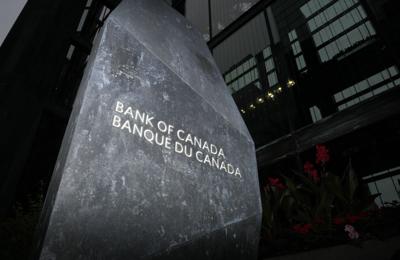
Bank of Canada Raises Interest Rates to 2.5%: What It Means for the Canadian Real Estate Market

Canadian Retail Sales Rise 1.2% in August 2026 Amid Economic Uncertainty

Canadian Inflation Rises to 3.1% as Higher Gas Prices Add Pressure

Canadian Housing Starts Rise in September, but B.C. Markets Show Mixed Results

Most Markets Remain Balanced Amidst Mounting Headwinds

Canadian Employment (September 2026)

September 2026 Victoria Real Estate Board - Market Statistics

B.C. Economic Growth Picks Up in Summer 2026

Mortgage Rates Could Rise Above 5% as Inflation Risks Increase

Canadian Economy Holds Steady in July as Real Estate Activity Edges Higher
CONTACT FLORENCIO BELOW TO GET MORE INFO: